A guide to Clinton Hill architecture
A grounded guide to architecture in Clinton Hill, with neighborhood context, practical planning advice, and what to verify before you go.
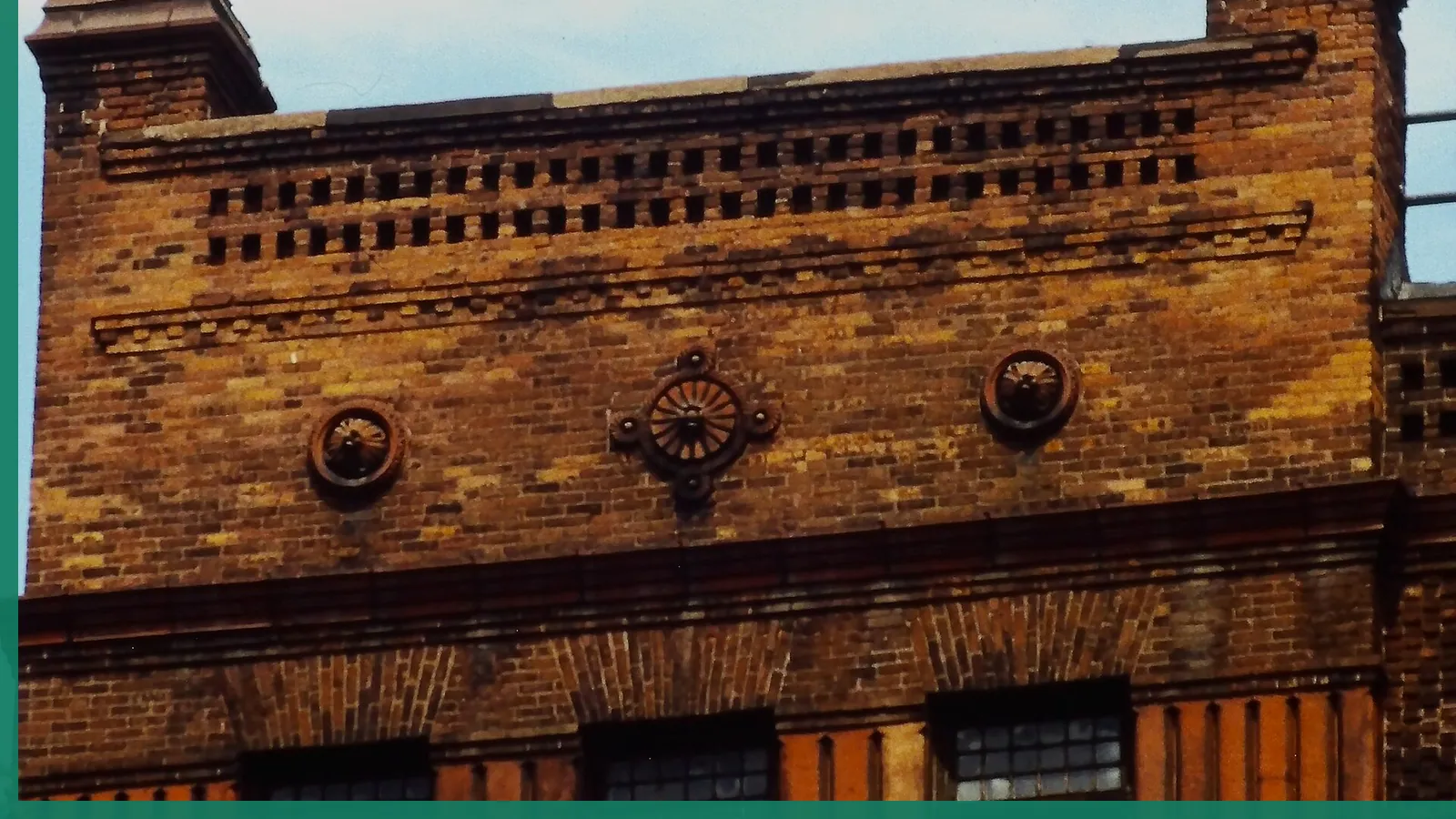
Clinton Hill, a charming neighborhood in Brooklyn, is a treasure trove of architectural wonders. Known for its tree-lined streets and historic buildings, Clinton Hill offers a glimpse into the past while embracing the present. Whether you're an architecture enthusiast or a curious visitor, exploring this neighborhood's diverse architectural styles is a rewarding experience.
A Walk Through History
Clinton Hill's architectural landscape is a testament to its rich history. The neighborhood is home to a variety of styles, including Italianate, Beaux-Arts, and Romanesque Revival. Many of these buildings date back to the 19th century, reflecting the area's development during Brooklyn's rapid growth. The Clinton Hill Historic District, designated by the New York City Landmarks Preservation Commission, is a must-visit for those interested in well-preserved examples of these styles. As you stroll through the district, you'll notice the intricate details and craftsmanship that define these historic homes.
The Influence of Pratt Institute
Pratt Institute, a renowned art and design school, has played a significant role in shaping Clinton Hill's architectural identity. The campus itself is an architectural gem, featuring buildings designed by notable architects such as William Tubby and Charles Pratt. The Romanesque Revival style of the Pratt Institute Library and the modernist design of the Higgins Hall are highlights that showcase the evolution of architectural trends. Visitors can explore the campus and appreciate the blend of historic and contemporary architecture.
Brownstones and Beyond
Clinton Hill is famous for its iconic brownstones, which line many of its streets. These elegant row houses, with their distinctive stoops and ornate facades, are quintessentially Brooklyn. While brownstones are a highlight, the neighborhood also boasts a variety of other residential styles, including Victorian and Queen Anne homes. When exploring these residential areas, take note of the unique features that set each building apart, such as stained glass windows, decorative cornices, and wrought iron railings.
Public Spaces and Landmarks
In addition to its residential architecture, Clinton Hill offers several public spaces and landmarks worth visiting. Fort Greene Park, located just to the west, provides a green oasis with historical significance. Designed by Frederick Law Olmsted and Calvert Vaux, the park is a great place to relax and enjoy the outdoors. The nearby Brooklyn Navy Yard, a symbol of the area's industrial past, offers guided tours that delve into its history and ongoing transformation.
Getting There and Getting Around
Clinton Hill is accessible via several subway lines, making it easy to reach from other parts of Brooklyn and Manhattan. The G train stops at Clinton-Washington Avenues, providing a convenient entry point to the neighborhood. For those traveling from Manhattan, the A and C trains also stop nearby at Lafayette Avenue. Once in the neighborhood, walking or biking is the best way to explore, as it allows you to fully appreciate the architectural details and lively street life.
Cost-Conscious Exploration
Exploring Clinton Hill's architecture doesn't have to break the bank. Many of the neighborhood's highlights, such as the streetscapes and public parks, can be enjoyed for free. If you're interested in guided tours or visiting specific landmarks, check for any associated fees and consider visiting during free or discounted admission days. Additionally, local libraries and community centers often host free events and exhibitions that provide further insight into the area's architectural heritage.
Before You Go
Before embarking on your architectural journey through Clinton Hill, it's wise to check the latest information on public transportation schedules and any events or tours you plan to attend. While the neighborhood's historic charm is enduring, specific offerings and access may change, so verifying current details ensures a smooth and enjoyable visit. Whether you're a local or a visitor, Clinton Hill's architectural beauty is sure to leave a lasting impression.
Last verified August 22, 2026. Practical details can change; check linked official sources before making plans.