How to experience Coney Island boardwalk culture
A grounded guide to boardwalk culture in Coney Island, with neighborhood context, practical planning advice, and what to verify before you go.
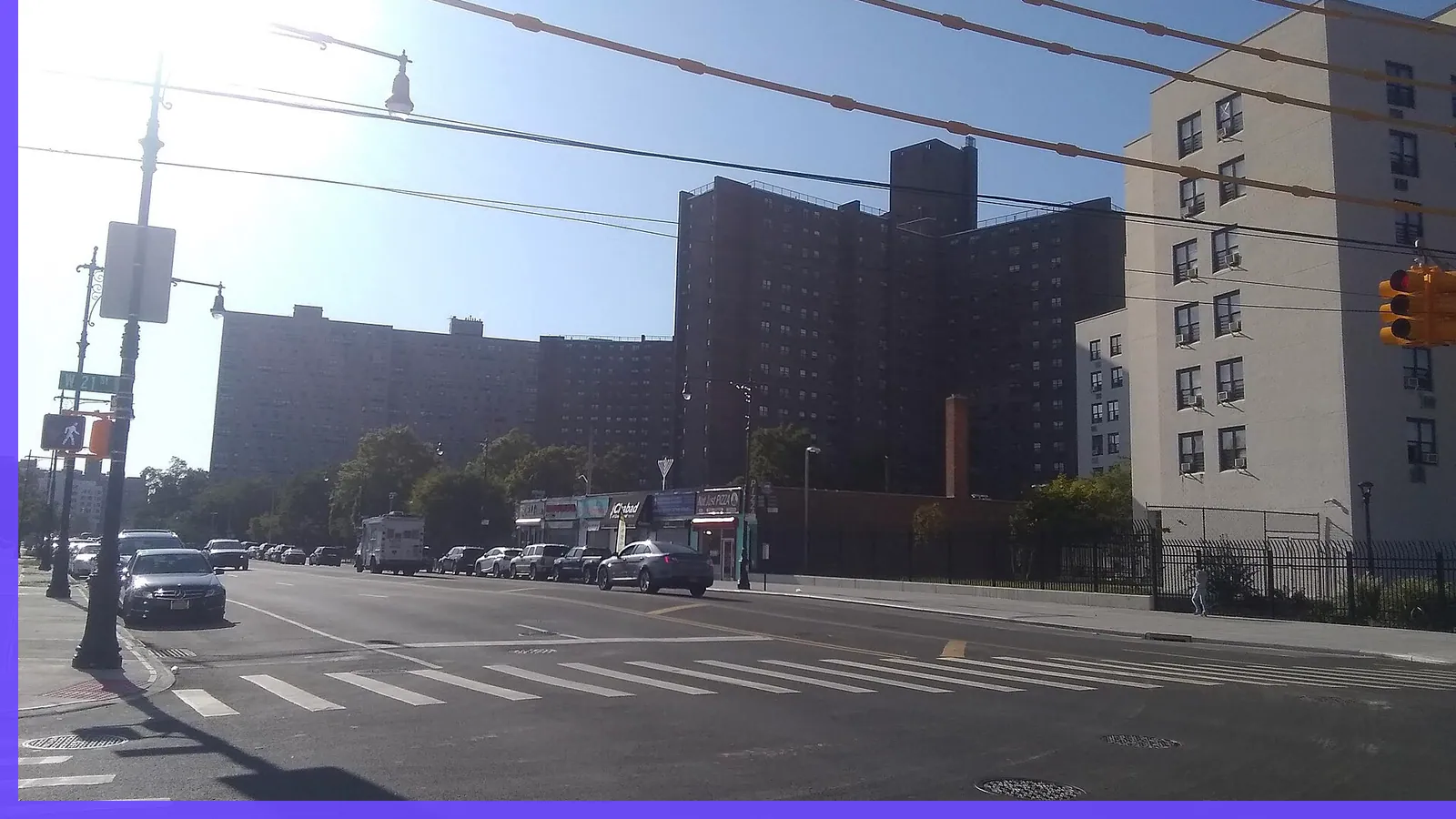
Coney Island is a lively neighborhood in Brooklyn, known for its iconic boardwalk that stretches along the Atlantic Ocean. This historic area offers a unique blend of entertainment, history, and seaside charm, making it a must-visit destination for both locals and tourists. Whether you're a first-time visitor or a seasoned boardwalk enthusiast, experiencing the culture of Coney Island is an adventure that promises nostalgia and excitement.
The Historic Boardwalk
The Coney Island Boardwalk, officially known as the Riegelmann Boardwalk, has been a staple of Brooklyn's cultural landscape since its opening in 1923. Spanning nearly three miles, it offers stunning views of the ocean and a lively atmosphere filled with the sounds of laughter, music, and the ocean breeze. As you stroll along the boardwalk, take a moment to appreciate its historical significance and the role it has played in shaping the community.
Attractions and Entertainment
Coney Island is synonymous with fun, and the boardwalk is home to a variety of attractions that cater to all ages. From the thrill of amusement park rides to the charm of classic arcade games, there's something for everyone. The iconic Wonder Wheel and Cyclone roller coaster are must-tries for thrill-seekers, while families can enjoy the aquarium and various seasonal events. Be sure to check current schedules and ticket prices before planning your visit.
Cultural and Historical Context
Understanding the cultural and historical context of Coney Island enhances the experience. The area has been a popular recreational destination since the late 19th century, attracting visitors with its beaches and entertainment options. The Coney Island History Project offers insights into the neighborhood's past, with exhibits and walking tours that delve into its rich heritage. Exploring these resources can provide a deeper appreciation for the boardwalk's enduring appeal.
Accessibility and Transit
Getting to Coney Island is convenient, with several subway lines serving the area. The D, F, N, and Q trains all stop at the Coney Island-Stillwell Avenue station, which is just a short walk from the boardwalk. The station is wheelchair accessible, making it easy for everyone to enjoy the attractions. For those driving, parking is available, but it can be limited during peak times, so public transit is often the best option.
Dining and Refreshments
The boardwalk offers a variety of dining options, from classic hot dog stands to sit-down seafood restaurants. While specific establishments can change, visitors should look for places that offer fresh, local ingredients and a welcoming atmosphere. For a true taste of Coney Island, try the local seafood or indulge in a sweet treat from one of the many ice cream vendors. Always check reviews and current offerings to ensure a satisfying dining experience.
Cost-Conscious Tips
Visiting Coney Island can be budget-friendly with a bit of planning. Many attractions offer discounts for children, seniors, or during off-peak hours. Consider packing a picnic to enjoy on the beach or the boardwalk's benches to save on dining costs. Additionally, exploring the boardwalk itself is free, allowing you to soak in the atmosphere without spending a dime.
Before You Go
Before heading to Coney Island, it's wise to check the weather forecast, as the boardwalk experience is best enjoyed on a pleasant day. Verify the operating hours of attractions and any special events happening during your visit. With a little preparation, your trip to Coney Island can be a memorable adventure filled with culture, history, and fun.
Last verified August 22, 2026. Practical details can change; check linked official sources before making plans.