How to read Brooklyn Heights architecture
A grounded guide to architecture in Brooklyn Heights, with neighborhood context, practical planning advice, and what to verify before you go.
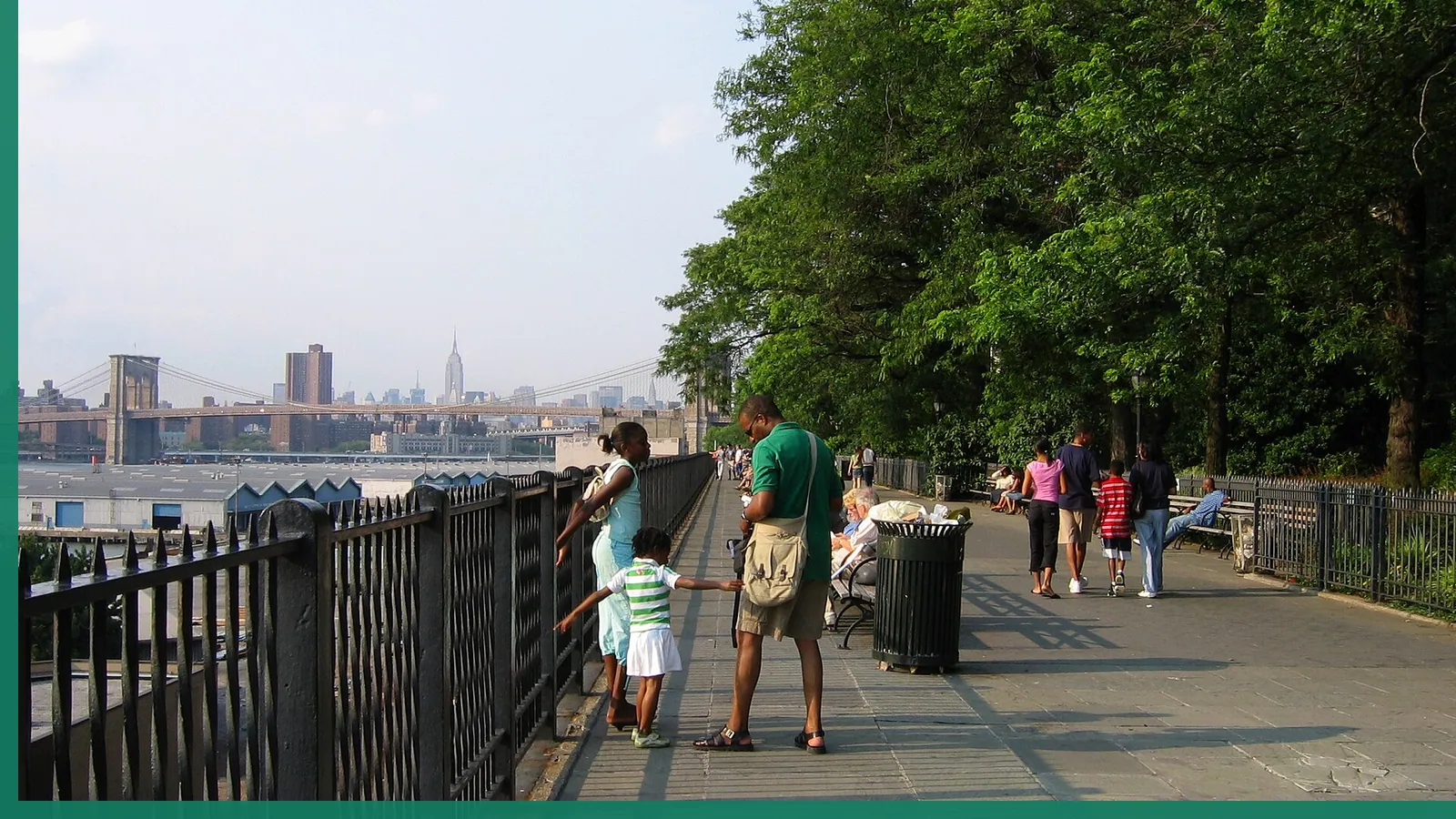
Brooklyn Heights, a neighborhood known for its picturesque streets and historic charm, offers a fascinating glimpse into New York City's architectural evolution. With its cobblestone streets and tree-lined avenues, this area is a living museum of architectural styles, from Federal to Greek Revival, Gothic Revival, and Italianate. Understanding the architectural nuances of Brooklyn Heights not only enhances your appreciation of the neighborhood but also provides a deeper insight into the cultural and historical context of New York City.
The Federal Style: Simplicity and Symmetry
The Federal style, popular from roughly 1780 to 1830, is one of the earliest architectural styles you’ll encounter in Brooklyn Heights. Characterized by its simplicity and symmetry, Federal-style buildings often feature brick facades, flat or low-pitched roofs, and elegant decorative elements like fanlights and sidelights around the front door. As you stroll through the neighborhood, particularly along Willow Street, keep an eye out for these understated yet refined structures that reflect the early American desire for order and proportion.
Greek Revival: Classical Inspiration
Moving into the 19th century, the Greek Revival style became prominent, inspired by the classical architecture of ancient Greece. This style is marked by its grand columns, pediments, and heavy cornices. In Brooklyn Heights, you can find stunning examples of Greek Revival architecture along Hicks Street. These buildings often have white-painted facades and large, welcoming porches, reminiscent of Greek temples. This style was particularly popular in the 1830s and 1840s, reflecting the young nation’s aspirations and democratic ideals.
Gothic Revival: Romantic and Picturesque
The Gothic Revival style, emerging in the mid-19th century, brought a romantic and picturesque quality to Brooklyn Heights. Characterized by pointed arches, intricate tracery, and steeply pitched roofs, this style was often used for churches and public buildings. However, you can also find residential examples, particularly around Pierrepont Street. The style’s emphasis on verticality and ornamentation provides a stark contrast to the more restrained Federal and Greek Revival styles.
Italianate: Ornate and Elegant
By the mid to late 19th century, the Italianate style became fashionable, adding a touch of European elegance to Brooklyn Heights. Italianate buildings are easily recognizable by their tall, narrow windows, elaborate cornices, and decorative brackets. Montague Street offers several fine examples of this style, which often features brownstone facades and lush detailing. The Italianate style reflects the era’s fascination with the art and architecture of the Italian Renaissance, bringing a sense of opulence and sophistication to the neighborhood.
Transit and Accessibility
Brooklyn Heights is easily accessible via public transportation, making it a convenient destination for architecture enthusiasts. The neighborhood is served by several subway lines, including the 2, 3, 4, 5, A, C, and R trains, with stations at Borough Hall and Court Street. Walking is the best way to explore the area, allowing you to fully appreciate the architectural details and the neighborhood’s unique ambiance. For those with mobility concerns, the relatively flat terrain and well-maintained sidewalks make Brooklyn Heights a comfortable place to navigate.
Cost-Conscious Exploration
Exploring the architecture of Brooklyn Heights is a cost-effective activity, as the neighborhood itself is the main attraction. There are no entrance fees to admire the exteriors of these historic buildings, and the Brooklyn Heights Promenade offers stunning views of the Manhattan skyline at no cost. For those interested in learning more, the Brooklyn Public Library and the New York City Landmarks Preservation Commission provide valuable resources and occasional free events focused on the area’s architectural history.
Before You Go
Before embarking on your architectural tour of Brooklyn Heights, check the latest updates from public transit agencies to ensure a smooth journey. While the neighborhood’s architectural landscape remains largely unchanged, specific events or temporary installations may affect accessibility. Consider visiting the Brooklyn Historical Society for additional context and insights into the neighborhood’s development. Remember, while the buildings themselves are permanent fixtures, the businesses and cultural offerings around them can change, so verify current options before planning your visit.
Last verified August 22, 2026. Practical details can change; check linked official sources before making plans.