A resident’s guide to Williamsburg development
A grounded guide to development in Williamsburg, with neighborhood context, practical planning advice, and what to verify before you go.
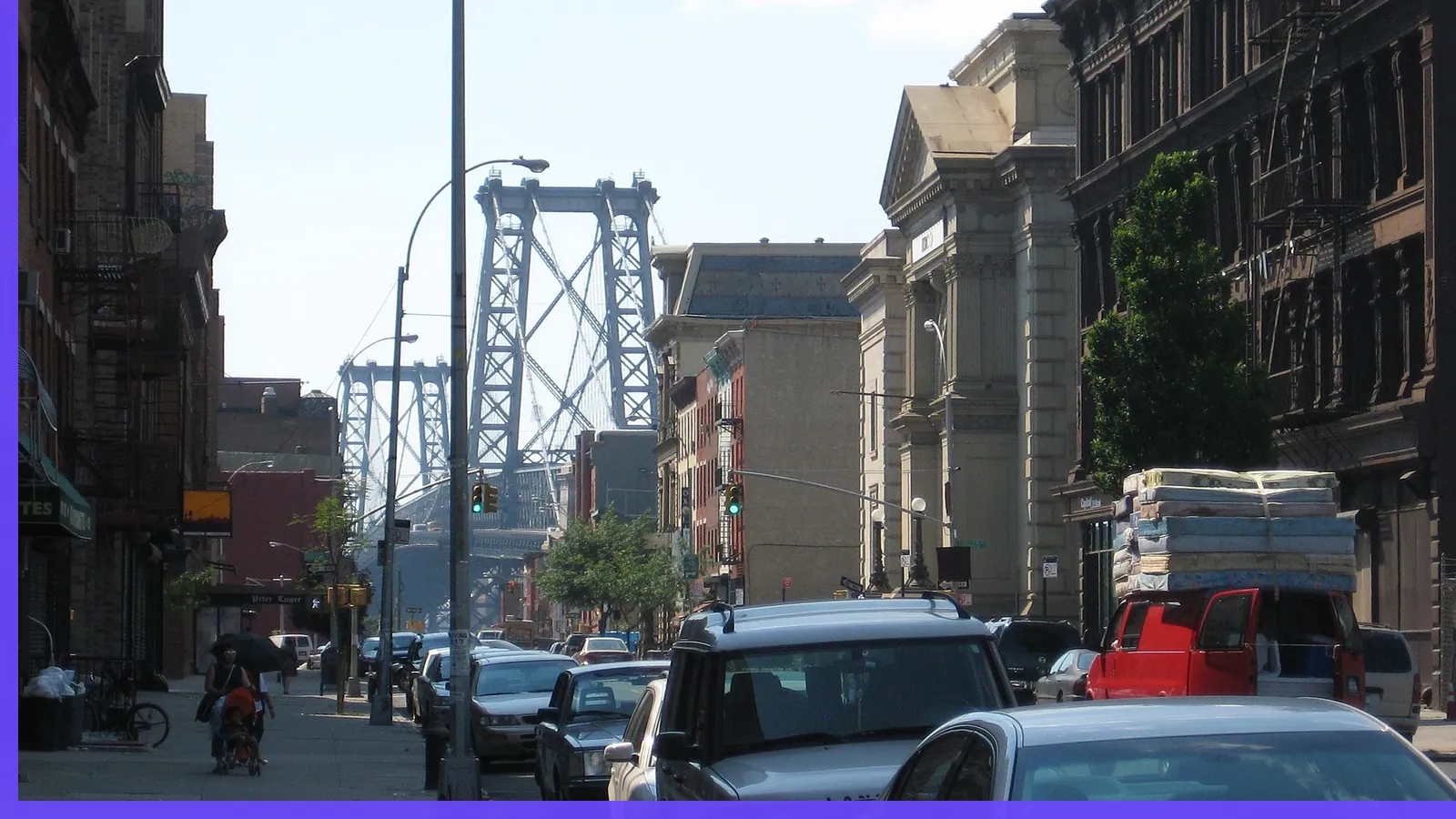
Williamsburg, a lively neighborhood in Brooklyn, has undergone significant transformation over the past few decades. Known for its eclectic mix of cultures, arts, and history, Williamsburg continues to evolve, attracting new residents and businesses while maintaining its unique character. This guide explores the development landscape in Williamsburg, offering insights into its history, current projects, and future prospects.
A Brief History of Williamsburg
Originally an industrial hub, Williamsburg has a rich history that dates back to the 19th century. The neighborhood was once home to factories and warehouses, many of which have been repurposed into lofts, galleries, and performance spaces. The Williamsburg Bridge, completed in 1903, played a crucial role in connecting the area to Manhattan, facilitating its growth and development. Today, Williamsburg is known for its artistic community, diverse population, and lively street life.
Current Development Projects
Williamsburg has seen a surge in development projects, particularly along the waterfront and major corridors like Bedford Avenue. These projects include residential buildings, mixed-use developments, and public spaces. The Domino Sugar Factory redevelopment is one of the most notable projects, transforming the historic site into a mixed-use complex with residential units, office space, and public parks. As these projects progress, they aim to balance modern living with the neighborhood's historical charm.
Transit and Accessibility
Williamsburg is well-connected to the rest of New York City through an extensive transit network. The L train is the primary subway line serving the neighborhood, with stops at Bedford Avenue and Lorimer Street. Additionally, the G train provides access to other parts of Brooklyn and Queens. The East River Ferry offers a scenic route to Manhattan, while numerous bus lines traverse the area. Recent improvements in bike lanes and pedestrian pathways have enhanced accessibility, making Williamsburg a more walkable and bike-friendly neighborhood.
Community and Cultural Impact
Development in Williamsburg has sparked discussions about gentrification and its impact on the community. While new projects bring economic growth and modern amenities, they also raise concerns about affordability and displacement. Community organizations and local leaders are actively working to ensure that development benefits all residents, preserving the neighborhood's cultural diversity and historical significance. Public parks and community centers play a vital role in maintaining Williamsburg's lively community life.
Evaluating Local Options
When exploring Williamsburg, it's essential to consider the variety of private businesses that contribute to the neighborhood's character. From artisanal coffee shops to independent boutiques, Williamsburg offers a diverse array of options. Residents and visitors should evaluate current offerings based on factors like quality, sustainability, and community engagement. Supporting local businesses helps maintain the neighborhood's unique identity and fosters a sense of community.
Future Prospects
Looking ahead, Williamsburg's development is expected to continue, with a focus on sustainable and inclusive growth. City planning initiatives aim to address housing affordability, improve public transportation, and enhance green spaces. As Williamsburg evolves, it remains a dynamic neighborhood that balances innovation with tradition, offering a welcoming environment for both long-time residents and newcomers.
Before You Go
Before visiting or moving to Williamsburg, it's important to stay informed about ongoing developments and community initiatives. Check local news sources and community boards for updates on projects and events. Whether you're exploring the neighborhood's historic sites or enjoying its modern amenities, Williamsburg offers a unique blend of past and present that continues to captivate residents and visitors alike.