A clear-eyed guide to the changing Gowanus shoreline
What the canal cleanup, new housing, flood resilience, and future public space mean for the neighborhood.
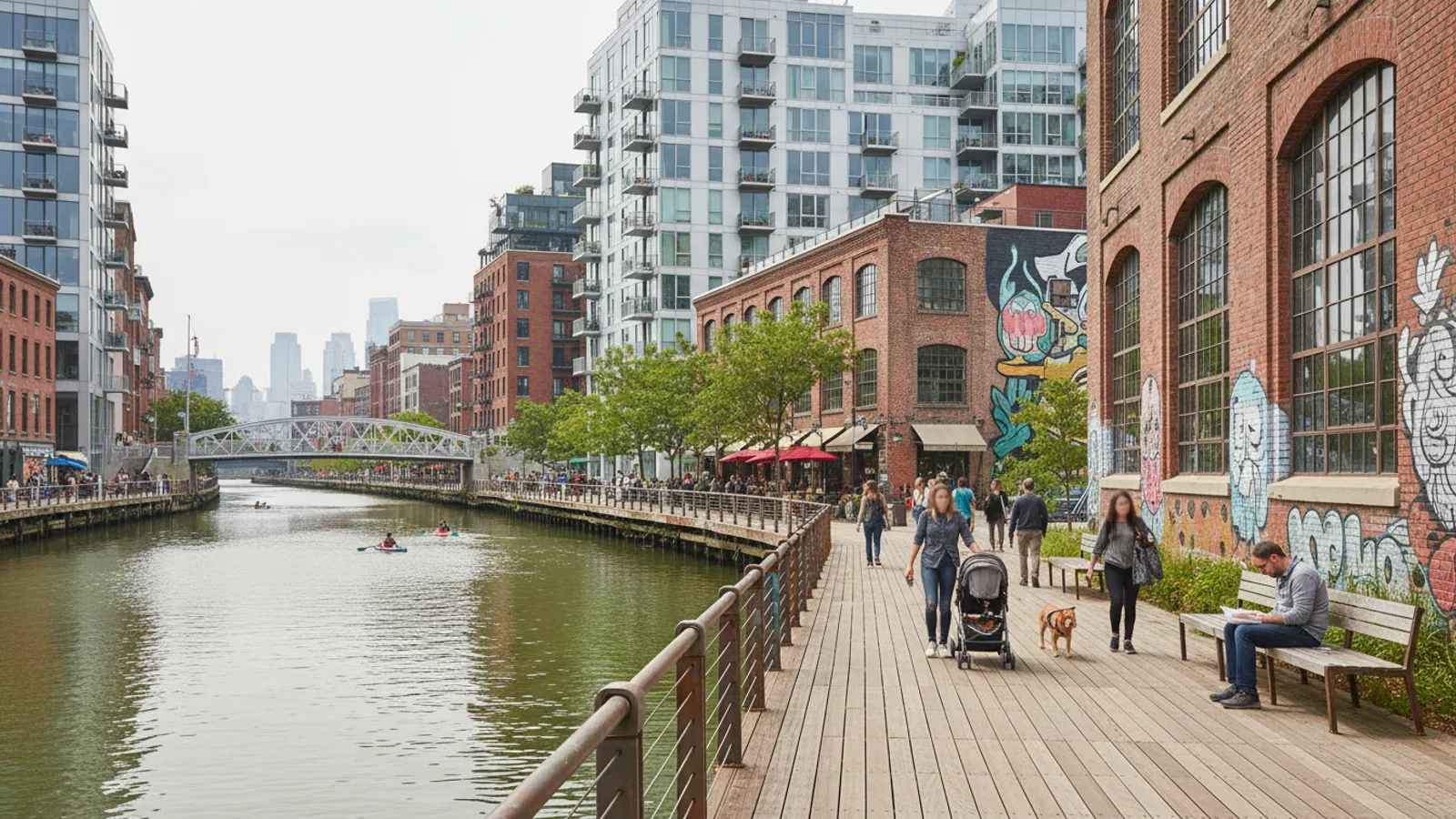
The Gowanus neighborhood, with its rich industrial history and vibrant community, is undergoing significant transformation. The Gowanus Canal, once a heavily polluted waterway, is at the center of this change. Designated a Superfund site by the EPA in 2010, the canal's cleanup is a crucial step toward revitalizing the area and enhancing its appeal for residents and visitors alike.
The Superfund Cleanup Process
The cleanup of the Gowanus Canal involves extensive remediation efforts, including dredging contaminated sediment and capping portions of the canal bottom. The federal remedy addresses contaminated sediment accumulated over decades; EPA updates are the authoritative source for current work zones, sequencing, and milestones. While the cleanup is a lengthy process, it is essential for the future health of the canal and the surrounding community.
Residents can expect to see ongoing work in the area as the cleanup progresses. It’s important to stay informed about the timeline and specific activities through the EPA’s official updates. This will help you understand how the cleanup may impact local traffic, access to the waterfront, and nearby businesses.
Housing Developments and Urban Planning
In 2021, the City Council approved the Gowanus Neighborhood Plan, which outlines a vision for the area that includes new housing, commercial spaces, and public amenities. The adopted plan changes land-use rules and sets a framework for housing, commercial space, infrastructure, and public access, while leaving many site-level details to later approvals and construction.
The plan includes affordability requirements, but individual buildings have separate approval, financing, construction, and leasing schedules. Prospective applicants should use NYC Housing Connect and official project pages rather than treating a rezoning projection as an available apartment.
Flood Resilience Initiatives
As climate change continues to pose risks to urban areas, Gowanus is also focusing on flood resilience. The neighborhood's low-lying areas are particularly vulnerable to flooding, making it essential to implement strategies that mitigate these risks.
Flood exposure, sewer capacity, shoreline elevation, and stormwater management are related but distinct issues. Property-specific designs and public infrastructure projects move on separate timelines, so residents should consult official flood maps, agency updates, and project filings for the block they care about.
Future Public Spaces
One of the most exciting aspects of the Gowanus transformation is the potential for new public spaces along the waterfront. While specific amenities are still under discussion, the community is advocating for parks, recreational areas, and improved access to the canal. These spaces will provide residents with opportunities for leisure and community engagement.
As plans develop, it’s crucial to stay engaged with local advocacy groups and city planning meetings. This will ensure that your voice is heard in the planning process and that the public spaces reflect the needs and desires of the community.
Accessibility and Transportation
Gowanus is well-connected to other parts of Brooklyn and Manhattan, making it an attractive location for commuters. The neighborhood is served by several subway lines, including the F, G, and R trains, as well as multiple bus routes. As new developments arise, there may be changes to transportation options, so it’s wise to keep an eye on local transit updates.
People arriving by bike should check the current DOT bike map before choosing a route; canal crossings, construction staging, truck traffic, and temporary closures can make the most direct path less comfortable.
The Bottom Line
Gowanus is on the brink of a significant transformation, driven by the cleanup of the canal, new housing developments, flood resilience initiatives, and the promise of new public spaces. Staying informed and engaged with local developments will help you navigate this changing landscape. Whether you’re a long-time resident or new to the area, understanding the ongoing changes will enhance your experience in this dynamic Brooklyn neighborhood. For the latest updates on the Gowanus Canal cleanup and neighborhood planning, check the EPA and NYC Department of City Planning websites regularly.
Last verified August 22, 2026. Practical details can change; check linked official sources before making plans.