How Downtown Brooklyn’s bus lanes change the daily commute
A practical guide to the Livingston Street redesign, the routes it serves, and how to navigate the corridor.
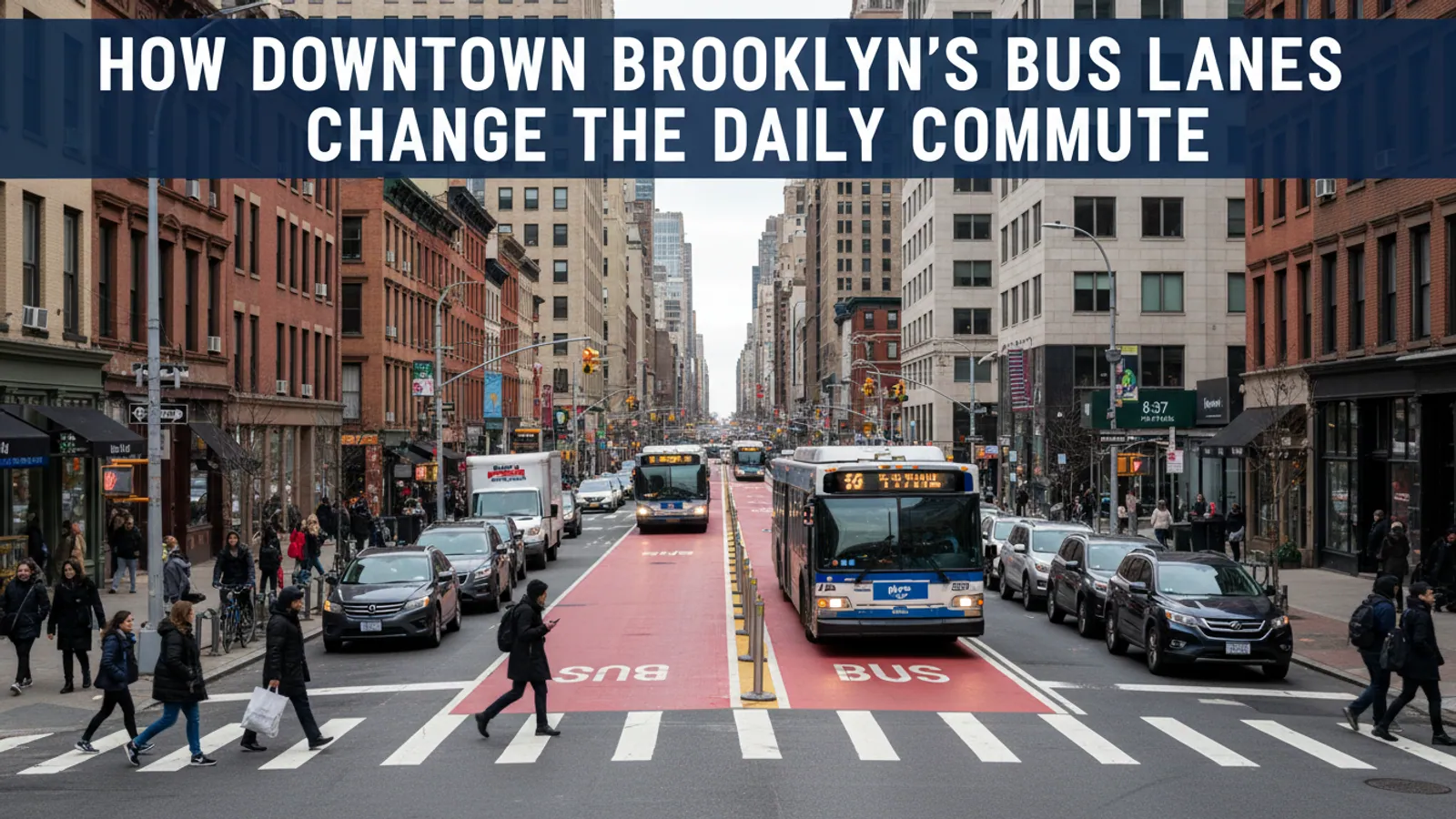
Downtown Brooklyn has undergone a significant transformation with the redesign of Livingston Street, aimed at improving the daily commute for residents and visitors alike. This project, completed by the New York City Department of Transportation (NYC DOT), introduces dedicated bus lanes that enhance public transit efficiency while ensuring safer pedestrian access. Understanding how to navigate this corridor can make a substantial difference in your daily travel experience.
Overview of the Livingston Street Redesign
The Livingston Street project stretches approximately one mile, connecting Boerum Place to Flatbush Avenue. This stretch is now equipped with two-way bus lanes located on the south side of the street, which are mostly physically protected from general traffic. The layout prioritizes buses while adding shorter, more visible pedestrian crossings at seven intersections.
Key Features of the Bus Lanes
- Dedicated Bus Lanes: The south side of Livingston Street features bus lanes that are separated from general traffic, allowing for smoother and faster bus operations.
- General Traffic Management: On the north side, general traffic, parking, and loading zones are maintained, ensuring that the street remains functional for all types of vehicles.
- Improved Pedestrian Safety: Seven intersections along this corridor have received painted extensions or concrete pedestrian islands, which help to reduce crossing distances and improve visibility for pedestrians.
- Concrete Boarding Islands: These islands, along with plastic barriers, create a safe space for riders to board and alight from buses, further separating them from moving traffic.
Bus Routes Served
The redesigned Livingston Street serves several key bus routes, making it a vital transit corridor in Downtown Brooklyn. The routes include:
- B41: Connecting various neighborhoods and providing access to key destinations.
- B45: Serving local communities and facilitating connections to other transit options.
- B67: Offering additional service for residents in the area.
- B103: Connecting to other major transit hubs.
These routes are essential for commuters traveling to and from Downtown Brooklyn, as they connect seamlessly with subway lines including the 2, 3, 4, 5, A, C, and G trains. This integration allows for a more efficient transfer between bus and subway services, making public transit a more attractive option for daily travel.
Navigating the Corridor
When navigating Livingston Street, it’s important to be aware of the new traffic patterns and bus lane regulations. Here are some tips to help you make the most of your commute:
- Plan Your Route: Use transit apps or the MTA website to check bus schedules and plan your journey accordingly. Knowing the frequency of buses on the B41, B45, B67, and B103 can help you minimize wait times.
- Stay Alert: With the changes in pedestrian islands and bus lanes, it’s crucial to remain vigilant while walking or cycling in the area. Always look out for buses and be mindful of your surroundings.
- Use Designated Stops: Make sure to board and alight from buses at designated stops to ensure your safety and the safety of others.
Accessibility Considerations
The redesign of Livingston Street also takes into account accessibility for all commuters. Concrete boarding islands change how some riders reach the bus. Riders with mobility needs should review the MTA’s current accessible-service guidance and allow extra time on an unfamiliar stop. If you have specific accessibility needs, it’s advisable to check the MTA’s website for information on accessible bus services and routes.
Before you go
As you plan your commute through Downtown Brooklyn, keep in mind that while the Livingston Street redesign aims to improve transit efficiency and pedestrian safety, it’s always wise to verify current conditions and any potential changes. Check the NYC DOT website for updates on the Livingston Street project and the MTA website for real-time bus and subway information. By staying informed, you can navigate this bustling corridor with ease and confidence, making your daily commute a smoother experience.