How to find, join, and support a Brooklyn community garden
A practical introduction to GreenThumb gardens, volunteer days, membership, and the work required to keep shared green space thriving.
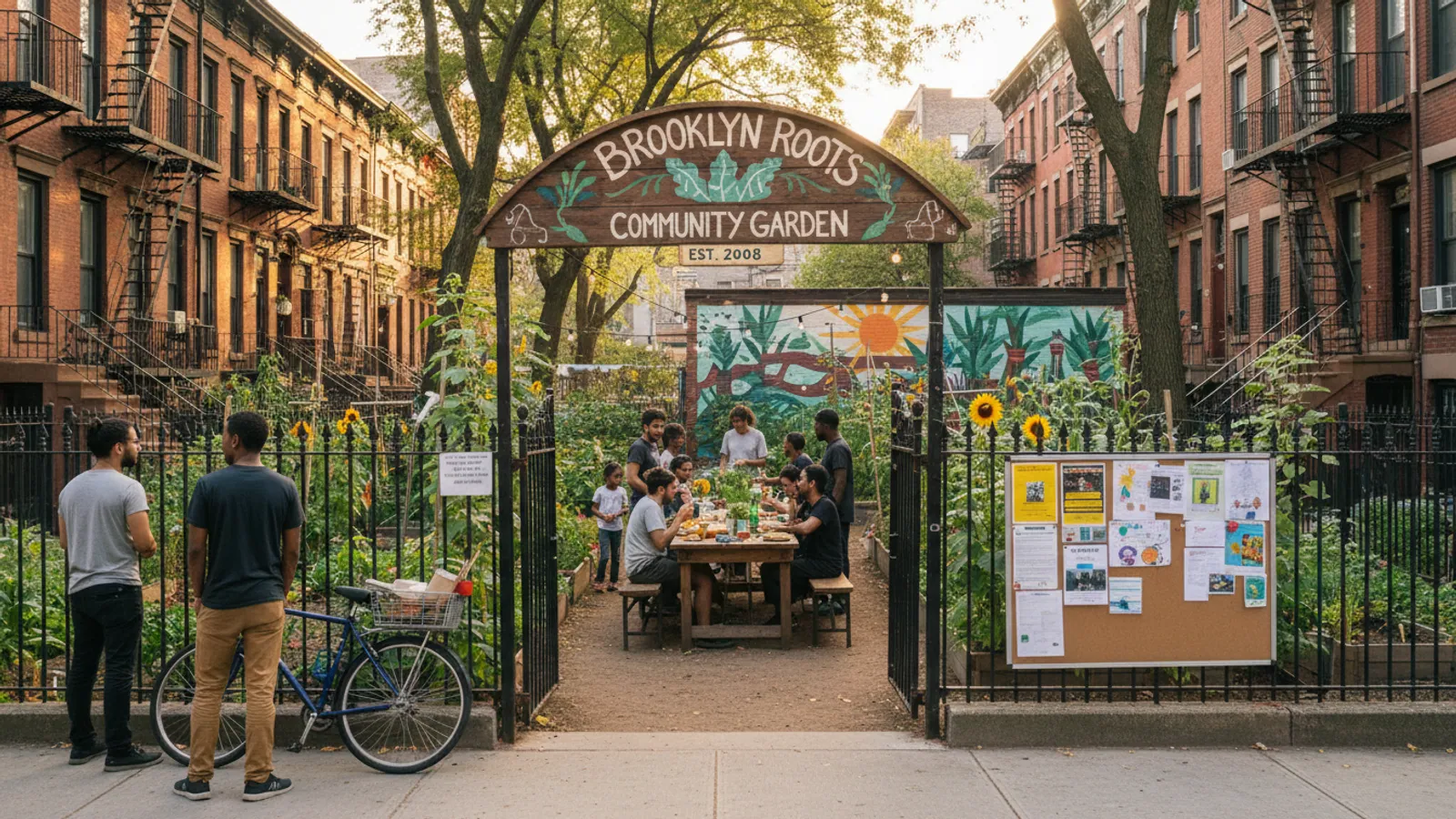
# Discovering Brooklyn's Community Gardens
Brooklyn is home to a vibrant network of community gardens, particularly in neighborhoods like Bed-Stuy, where local residents come together to cultivate green spaces that benefit the entire community. These gardens not only provide fresh produce but also serve as vital social hubs where neighbors can connect and collaborate. If you're interested in getting involved, here’s how to find, join, and support these green oases.
What is a Community Garden?
Community gardens are shared plots of land where individuals or groups cultivate plants, flowers, and vegetables. They are often managed by local residents and can vary in size and scope. In Brooklyn, many of these gardens are part of the GreenThumb program, which is a city initiative aimed at supporting community gardening across New York City.
Benefits of Community Gardens
- Fresh Produce: Grow your own fruits and vegetables, promoting healthy eating.
- Community Building: Meet neighbors and forge connections through shared gardening experiences.
- Environmental Impact: Contribute to urban greening and biodiversity.
- Educational Opportunities: Learn about sustainable practices and gardening techniques.
Finding a Community Garden in Brooklyn
To locate a community garden in your area, you can start by visiting the NYC Parks GreenThumb website. This resource provides a comprehensive map of community gardens throughout the city, including those in Brooklyn. You can filter by neighborhood, making it easier to find a garden close to home.
Tips for Finding a Garden
- Use Online Resources: Check out the GreenThumb website for an interactive map.
- Explore Local Parks: Many community gardens are located within or near public parks.
- Ask Around: Talk to neighbors or local community organizations for recommendations.
Joining a Community Garden
Once you've found a community garden that piques your interest, the next step is to get involved. Many gardens have membership options, which may require a small fee or a commitment to volunteer hours.
Membership Process
1. Contact the Garden: Reach out to the garden's management or volunteer coordinator to express your interest. 2. Attend a Meeting: Many gardens hold regular meetings where you can learn more about their activities and goals. 3. Volunteer: Participate in volunteer days to get a feel for the community and the work involved.
Volunteer Days
Most community gardens host regular volunteer days, which are open to both members and non-members. These days are a great opportunity to meet fellow gardeners, learn about gardening techniques, and contribute to the upkeep of the space. Check the garden's website or social media pages for schedules and announcements.
Supporting Your Local Garden
If you’re not ready to join a garden but still want to support local green spaces, there are several ways to contribute:
- Donations: Many gardens accept monetary donations or supplies such as seeds, tools, and soil.
- Spread the Word: Share information about the garden with friends and family to raise awareness.
- Participate in Events: Attend community events hosted by the garden, such as workshops or harvest festivals.
Accessibility Considerations
When visiting or participating in a community garden, it’s important to consider accessibility. Many gardens strive to be inclusive, but conditions can vary. If you have specific needs, reach out to the garden coordinators ahead of time to ensure they can accommodate you.
Before You Go
- Check the Garden's Schedule: Hours and volunteer days can change, so verify details on the garden's official website or social media.
- Dress Appropriately: Wear comfortable clothing and sturdy shoes suitable for gardening activities.
- Bring Supplies: If you plan to volunteer, consider bringing gloves, water, and any tools you might have.
Getting involved in a community garden is a rewarding way to connect with your neighbors and contribute to the local environment. Whether you choose to join, volunteer, or support from afar, your participation helps keep Brooklyn's community gardens thriving.