A resident’s guide to Greenpoint waterfront growth
A grounded guide to waterfront growth in Greenpoint, with neighborhood context, practical planning advice, and what to verify before you go.
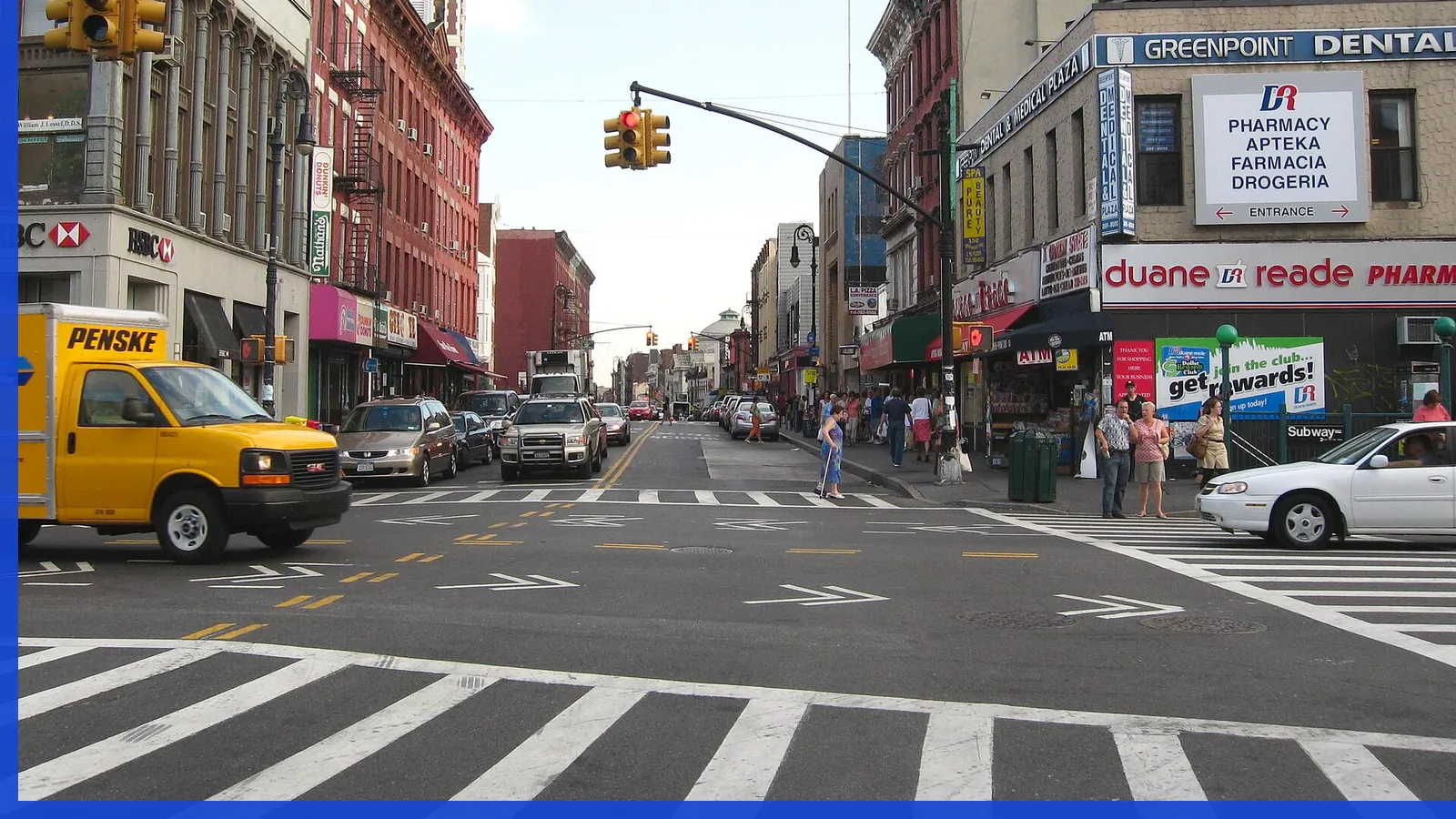
Greenpoint, Brooklyn, a neighborhood known for its rich history and lively community, is experiencing significant changes along its waterfront. As development continues to reshape this area, residents and visitors alike are witnessing a blend of old and new, with modern architecture rising alongside historic buildings. This transformation is not just altering the skyline but also impacting the community's lifestyle, accessibility, and local economy.
Historical Context
Greenpoint's waterfront has long been a hub of industrial activity. In the 19th and early 20th centuries, it was home to shipbuilding yards and factories, contributing to Brooklyn's economic growth. Many of these industrial sites have since been repurposed or cleared for new developments, but the neighborhood's historical roots remain evident in its architecture and community spirit. As you explore Greenpoint, you'll notice a mix of old warehouses and new residential buildings, reflecting the area's evolution.
Development and Urban Planning
The transformation of Greenpoint's waterfront is part of a broader urban planning initiative by New York City. The Department of City Planning has been instrumental in guiding this growth, ensuring that new developments align with the city's vision for sustainable and inclusive neighborhoods. This includes creating mixed-use spaces that combine residential, commercial, and recreational areas. As a result, the waterfront is becoming a more lively and accessible space for everyone.
Parks and Recreation
One of the most significant changes along the Greenpoint waterfront is the expansion of public parks and recreational areas. The city has prioritized creating green spaces that offer residents and visitors a place to relax and enjoy the stunning views of the East River and Manhattan skyline. These parks are designed to be inclusive and accessible, featuring walking paths, playgrounds, and picnic areas. They provide a much-needed respite from the urban hustle and bustle, enhancing the quality of life in the neighborhood.
Transit and Accessibility
Improving transit and accessibility is a key focus of the waterfront development. The New York City Department of Transportation has been working to enhance public transit options, making it easier for residents to commute to other parts of Brooklyn and Manhattan. The G train serves the neighborhood, and there are plans to improve bus routes and bike lanes, promoting sustainable transportation. Additionally, the NYC Ferry service offers a scenic and efficient way to travel along the waterfront, connecting Greenpoint to other waterfront neighborhoods.
Community and Cultural Impact
As Greenpoint's waterfront grows, it's important to consider the impact on the local community and culture. The influx of new residents and businesses can bring economic benefits, but it also poses challenges, such as rising property values and potential displacement of long-time residents. Community organizations are actively working to ensure that development is equitable and that the neighborhood retains its unique character. Residents are encouraged to participate in community meetings and planning sessions to voice their concerns and ideas.
Cost-Conscious Living
For those considering a move to Greenpoint or visiting the area, it's essential to be mindful of the cost of living. While the waterfront developments offer modern amenities and stunning views, they often come with a higher price tag. However, there are still affordable options available, particularly in the more established parts of the neighborhood. Prospective residents should explore different housing options and consider factors such as proximity to transit and local amenities when making decisions.
Before You Go
Before heading to Greenpoint, it's wise to check the latest updates on public transit schedules and any ongoing construction projects that might affect your visit. The neighborhood is constantly evolving, and staying informed will help you make the most of your time there. Whether you're exploring the new waterfront parks or delving into the area's rich history, Greenpoint offers a unique blend of old-world charm and modern living.